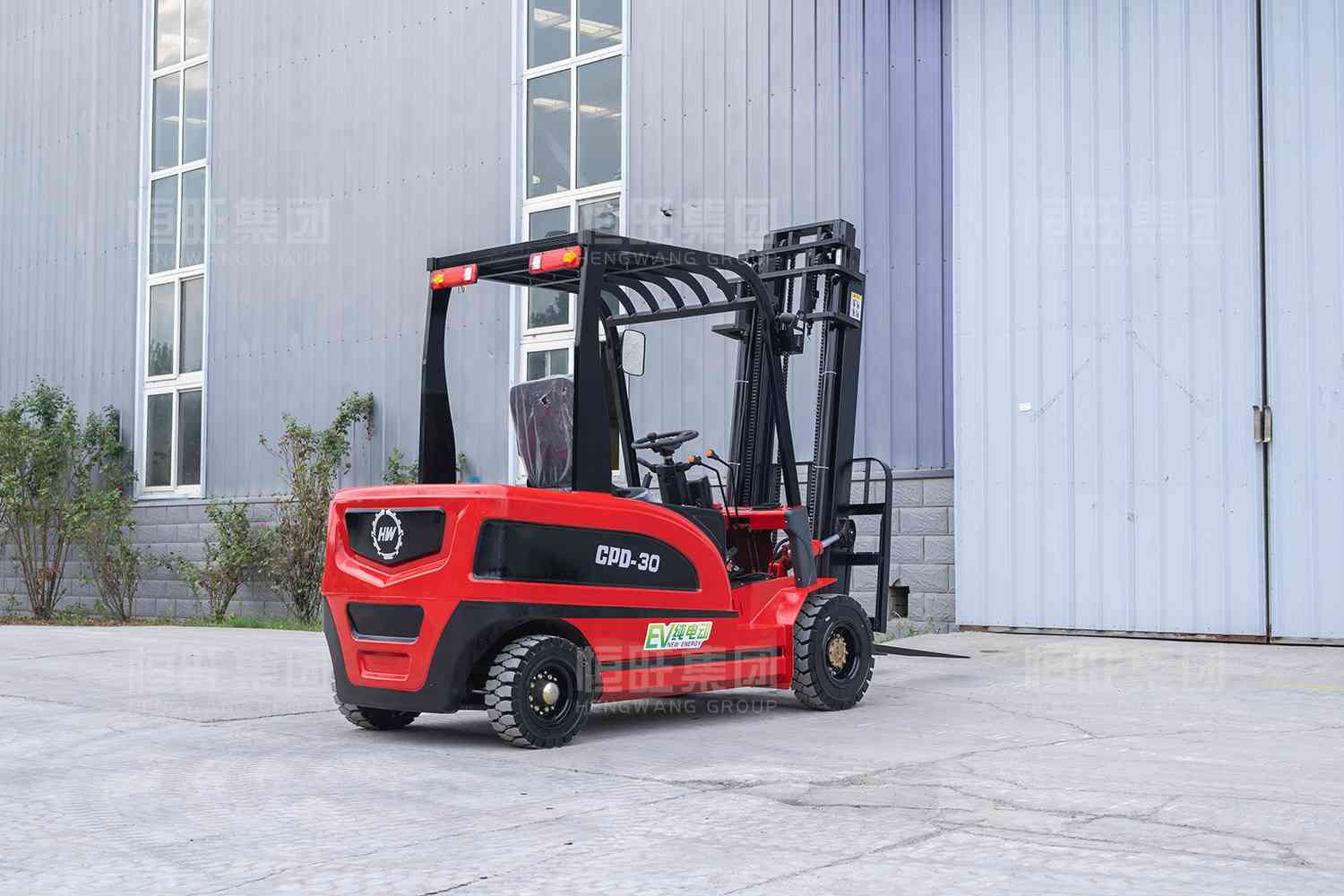
1. Fork Height and Position
• Keep forks 30-40 cm off the ground during travel with the mast tilted backward.
2. Descending Slopes with Loads
• Always travel in reverse when going downhill with a load to prevent cargo from sliding.
3. Turning Warnings and Speed
• Sound the horn before turning; never take sharp turns at high speed to avoid tipping.
4. Controlling Fork Movement
• Never travel with elevated forks. Lower forks after loading/unloading to prevent collisions and instability.
5. Braking Precautions
• Avoid emergency braking while carrying loads, except in emergencies.
• Use brakes cautiously on slopes >7° when traveling faster than 1st gear.
6. Traveling with Obstructed View
• Operate in reverse when moving large loads that block forward visibility.
7. Slope Operation Restrictions
• Never turn or drive sideways across slopes.
8. Tail Swing Awareness
• Note rear-wheel steering characteristics—maintain gentle turns to control tail swing.
9. Site Compliance
• Follow traffic rules and maintain safe following distances.
10. Load Positioning
• Keep loads low and masts tilted back during travel.
• Only raise loads during loading/stacking operations.
11. Center of Gravity Impact
• Elevated forks dangerously shift the forklift’s center of gravity, critically compromising stability.